
When it comes to things that influence home value, it’s never just about square footage or bedroom count.
The real drivers go deeper. What affects home value the most are things like location, condition, timing, and even the state of the broader economy.
Knowing how these factors work together can give you an edge, whether you’re preparing to sell your property soon or simply making smart, long-term investments in your home.
1. Location, Location, Location
The phrase may sound cliché, but location remains the single most important driver of property value.
A home in a sought-after school district or close to major employers in Utah will typically command higher offers. Proximity to shopping, restaurants, parks, and public transit can also push value up.
On the other hand, homes situated near busy highways, industrial zones, or areas prone to flooding often struggle to achieve maximum value. Buyers want a balance between convenience and livability, and location directly impacts both.
2. Local Market Conditions
Real estate markets move in cycles. When buyer demand is strong and housing inventory is low, home prices usually rise. Conversely, if there are more homes listed than there are buyers, sellers may have to adjust expectations.
Utah’s housing market has been shaped by population growth and in-migration from other states.
Many buyers relocating from California, Arizona, and Colorado are willing to pay more for a home that offers both space and affordability compared to their previous markets.
Understanding these local dynamics gives you an advantage if you’re planning your home sale.
3. Curb Appeal and Exterior Condition
First impressions are powerful. A well-maintained yard, fresh paint, and updated windows can instantly boost perceived value. Buyers often equate exterior condition with the care taken inside the home.
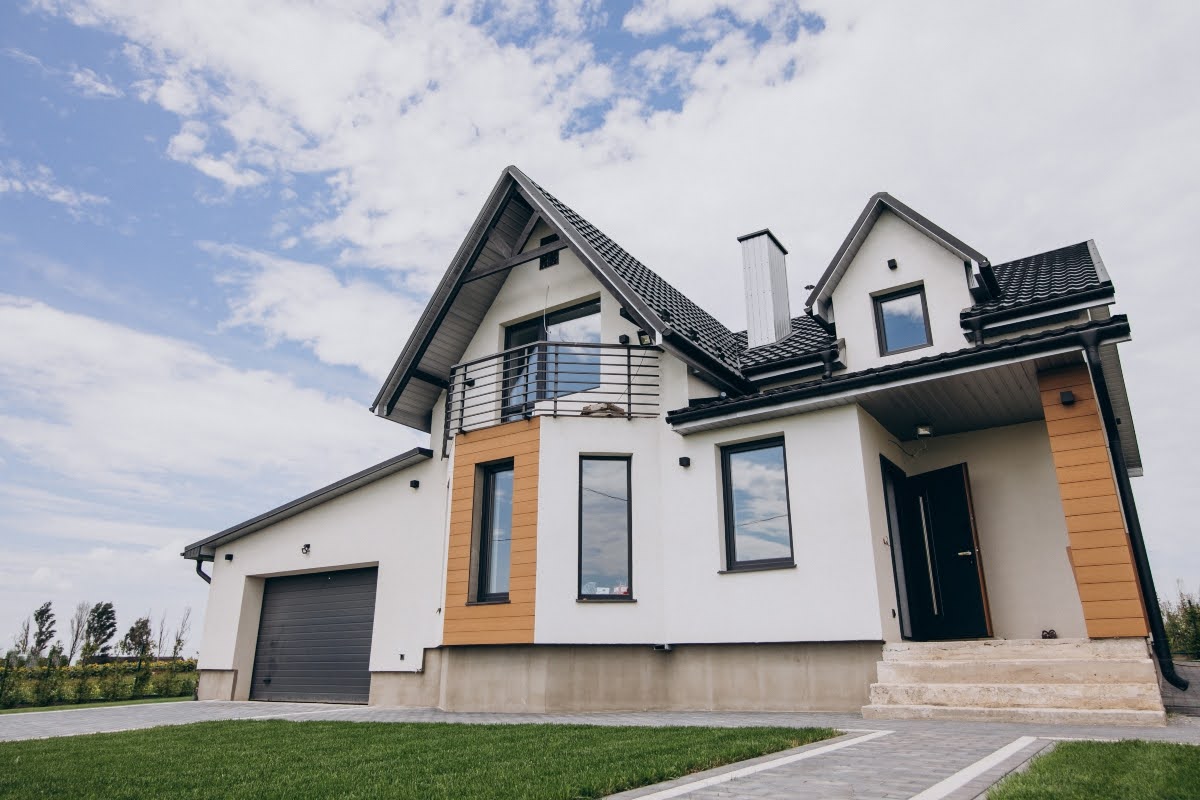
Small upgrades make a big difference. Adding outdoor lighting, replacing worn-out garage doors, or installing modern house numbers can refresh a home’s look.
Since Utah homeowners often value outdoor living, well-kept landscaping or a usable patio can elevate your property’s appeal even further.
4. Home Size and Usable Space
Square footage matters, but the layout matters more. A 2,000-square-foot home with an open floor plan and a finished basement may feel larger and more functional than a 2,500-square-foot home chopped into awkward rooms.
Usable space adds practical value. Extra bathrooms, ample storage, or multipurpose rooms make a property stand out.
In Utah, many buyers look for homes with basements that can serve as family rooms, rental units, or home offices, which increases the overall utility and value.
5. Interior Updates and Upgrades
Kitchens and bathrooms are often deal-makers. Modern appliances, updated countertops, and sleek fixtures make a home instantly more attractive. Flooring also matters. Hardwood, luxury vinyl, or tile often holds more appeal than worn carpeting.
Energy-efficient updates, like LED lighting or upgraded insulation, provide a twofold benefit: comfort and lower utility bills.
Even smaller touches like fresh paint in neutral tones or new cabinet hardware can help buyers see your home as move-in ready. The less work they anticipate, the more value they place on the property.
6. Age and Overall Condition
Age itself isn’t a negative factor. Some older homes in Utah are valued for their character and craftsmanship. What matters more is how well the home has been maintained over time.
Buyers will look closely at the roof, HVAC systems, plumbing, and electrical work. A home with these essentials updated or in good condition will hold more value than one that’s been neglected.
Preventative care, like servicing systems regularly or keeping up with minor repairs, pays off when it comes time to sell.
7. Energy Efficiency and Green Features
Rising utility costs have made efficiency a top priority. Features like double-pane windows, modern HVAC systems, and solar panels can be major selling points.
In Utah, where temperatures swing from hot summers to snowy winters, energy-efficient features mean long-term savings.
A buyer comparing two similar homes may choose the one with lower monthly utility bills, giving you a competitive edge in the market.
8. Neighborhood Trends and Development
Your neighborhood has a direct impact on value. When a community invests in new schools, parks, or shopping centers, property values typically rise. Likewise, the arrival of new businesses or infrastructure projects can increase demand.
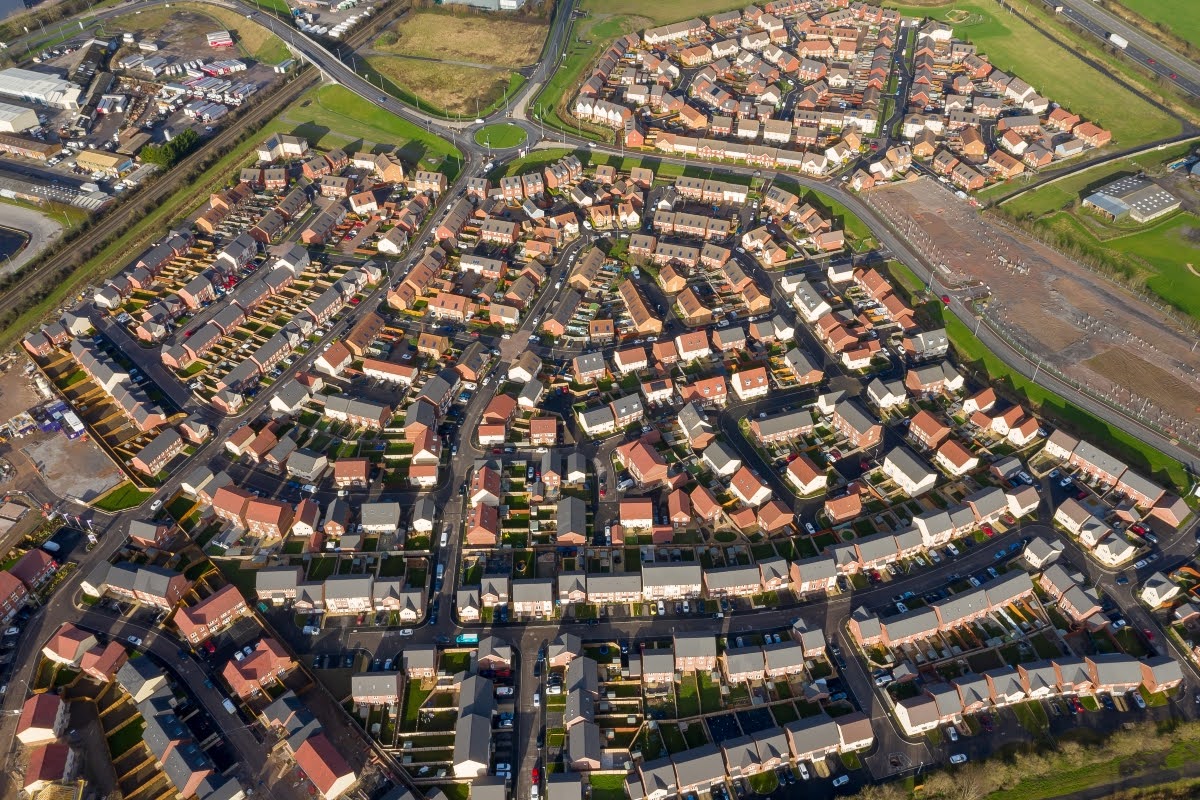
On the flip side, if a neighborhood shows signs of decline, such as rising vacancy rates, poorly maintained properties, or a lack of investment, home values may stagnate.
Keeping an eye on city planning announcements helps homeowners anticipate how their neighborhood’s future will influence value.
9. Economic Factors and Interest Rates
Sometimes, what affects home value has little to do with your individual property. Broader economic conditions like job growth, inflation, and mortgage interest rates play a big role.
Lower interest rates usually expand buyer budgets, driving up home prices. Higher rates shrink affordability, which can cool demand.
Utah’s economy, which has been bolstered by strong job growth in technology, healthcare, and outdoor recreation industries, helps support steady housing demand even during national fluctuations.
10. Timing and Seasonality
Timing can be surprisingly influential. In Utah, spring and summer are peak seasons for real estate, particularly for families wanting to move between school years.
Buyers are more active during these months, which often translates into stronger offers.
Homes listed during the winter can still sell, but they may take longer or attract fewer competing offers. If you can plan, timing your listing for the season when demand is highest gives you the best chance at maximizing your home’s value.
Pulling It All Together
It’s never just one factor that affects home value. It’s the combination of location, condition, upgrades, and the broader market.
While you can’t control every element, focusing on the aspects within your reach, like maintenance, curb appeal, and smart improvements, helps your home stand out.
The right realtor can help you recognize which improvements bring the highest return and guide you through market conditions, ensuring your home is positioned to attract strong offers.
Making Informed Choices for Your Property
By understanding the forces at play, homeowners can approach selling or investing with confidence. If you’re planning to sell soon, small, strategic updates can make a big difference.
If you’re holding onto your property long-term, keeping an eye on neighborhood trends and maintaining essential systems will help protect your investment.
When you’re ready to take the next step, JupiDoor can provide the guidance and flat fee service you need to sell with confidence while saving money in the process.
Led by trusted Utah realtor Mike Heslop, our team combines years of experience with in-depth knowledge of Utah’s unique neighborhoods.
We’ve helped countless homeowners highlight their property’s strengths, time their listings wisely, and attract serious buyers.
Whether you’re preparing to list your home today or planning for the future, JupiDoor will help you take each step!