
For many people, mobile homes offer an appealing combination of affordability, flexibility, and comfort.
Whether you’re downsizing, investing, or buying your first property, understanding the real cost of mobile homes is key to setting realistic expectations.
Prices can vary widely, and what seems like a great deal upfront might come with additional costs that catch first-time buyers off guard.
Let’s break down what you’ll actually pay, and why.
The Base Price: New vs. Used Mobile Homes
Just like traditional houses, mobile homes come in all shapes, sizes, and price points.
On average, a new single-wide mobile home in the U.S. typically ranges between $80,000 and $115,000, while double-wides can reach $150,000 to $200,000, depending on the manufacturer and upgrades.
Used homes, however, are often much more affordable. A well-maintained pre-owned single-wide can start around $30,000 to $60,000, though condition, age, and location matter greatly.
In Utah, used models tend to sell faster in communities near Salt Lake City and Provo, where land prices and demand are higher.
The price tag often includes materials, design quality, and energy efficiency. A newer mobile home with better insulation and modern finishes will naturally cost more, but could save you money long-term on maintenance and utilities.
Size and Layout: Where the Price Grows
The size of a mobile home isn’t just about more square footage, but how livable the space feels.
Single-wides, typically between 500 and 1,200 square feet, are the most budget-friendly option for individuals or small families.
Double-wides (ranging from 1,200 to 2,000 square feet) offer more comfort and are closer to the feel of a traditional home.
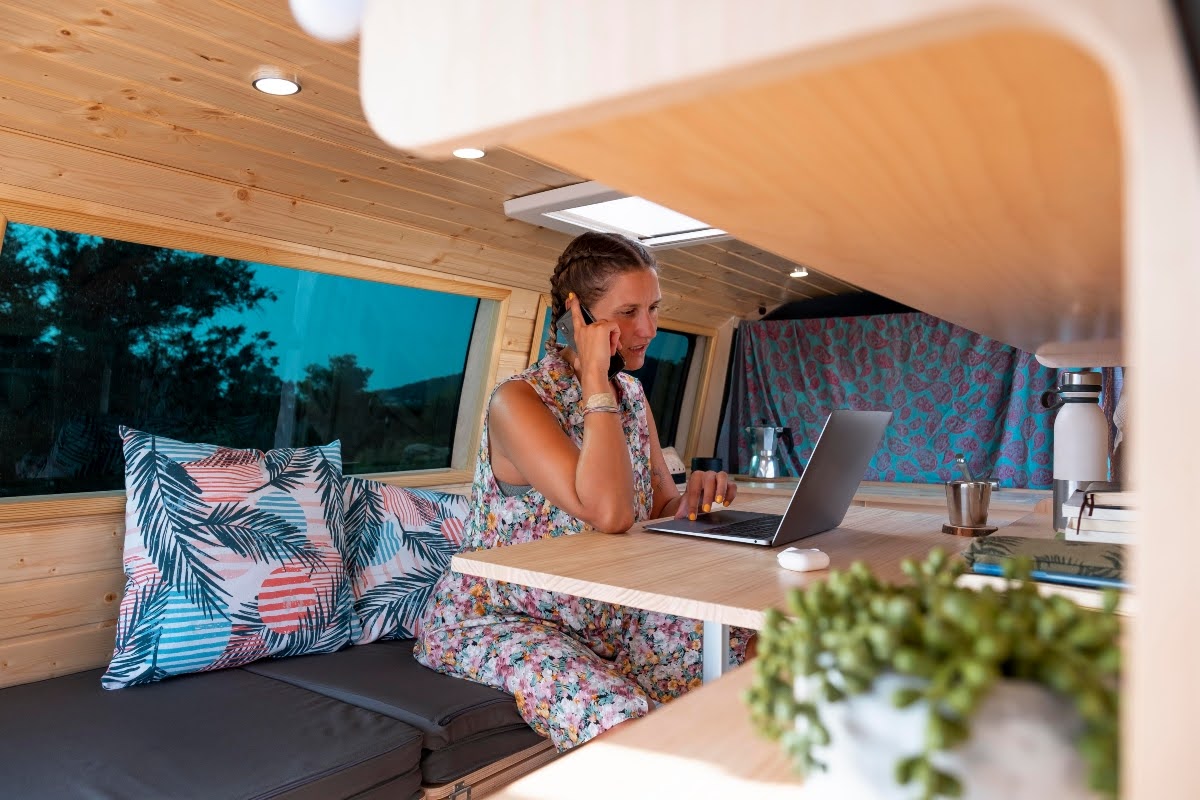
Beyond that, there are triple-wides and modular-style units that can exceed 2,500 square feet, often priced well into the $200,000–$300,000 range. Custom layouts, upgraded cabinetry, or high-end finishes also add to the total.
Essentially, you’re paying for how “house-like” the home feels. The more features it includes, like larger bedrooms, open kitchens, or built-in porches, the higher the overall cost.
Land Costs: The Hidden Price Factor
Owning a mobile home doesn’t always mean owning the land beneath it. Many people place their homes in leased-lot communities, which charge monthly lot rent.
The lot rent in Utah is higher than the national average. It usually ranges from $800 to $1200 a month.
If you buy your own land, the math changes. Land prices in Utah can range widely, from under $50,000 in rural counties to well over $150,000 in developed areas along the Wasatch Front.
Purchasing land adds long-term value and independence but also comes with property taxes, utility setup, and potential zoning restrictions.
Before buying, always check whether your mobile home can be placed on private land or if the area is zoned for manufactured housing. A smart approach is to work with the right realtor who can guide you through the land-purchasing process.
Transportation and Setup Fees
Once you purchase a mobile home, getting it delivered and installed is a cost that’s often overlooked.
Moving a single-wide can cost anywhere from $5,000 to $8,000, while a double-wide typically runs $10,000 to $15,000, depending on distance and terrain.
These costs usually include transportation permits, setup, leveling, and connecting utilities.
In Utah’s mountain regions or rural areas, transportation can be more complex, and therefore more expensive, due to elevation changes or limited road access.
Utilities, Foundation, and Hookups
Another piece of the puzzle: connecting your home to power, water, and sewage. If your lot is already developed, hookups might be straightforward.
But for undeveloped land, you may face additional costs for septic systems, wells, or utility extensions.
Expect to budget $5,000 to $20,000, depending on how much infrastructure work is needed. Some homeowners choose to install permanent foundations, which can increase property stability and value.
A permanent foundation might also help qualify your home for certain financing options that aren’t available for mobile homes on rented lots.
Financing and Interest Rates
Mobile homes can be financed in two primary ways: as personal property (chattel loans) or as real estate (mortgage loans) if the home is permanently attached to land.
Chattel loans usually come with higher interest rates, typically between 7% and 11%, because the home itself serves as the only collateral. Real estate loans tend to offer lower rates and longer repayment terms, but you must own the land.
Buyers should also consider insurance and property taxes, which, while lower than those of traditional homes, still add to monthly expenses.
Maintenance and Longevity
Even though mobile homes are affordable, they still require ongoing maintenance to hold value.
Regular roof inspections, leveling adjustments, and plumbing checks are essential. Skirting and insulation help protect from Utah’s colder months, while proper ventilation prevents moisture buildup.
Well-cared-for mobile homes can last 30 to 50 years or more, but neglecting maintenance can shorten that lifespan considerably. Think of your home like a vehicle; it runs best with consistent attention and care.
Community Fees and Amenities
If you live in a mobile home park, monthly fees may include not just lot rent but also maintenance of shared amenities such as playgrounds, clubhouses, or security.

Some upscale communities in Utah’s suburbs even offer fitness centers and swimming pools, which can raise both desirability and costs.
These community perks can add $50 to $200 per month but may also improve your home’s resale potential if the park is well-maintained and desirable.
Resale Value and Depreciation
Unlike traditional homes, most mobile homes depreciate over time, especially when placed on rented lots. However, when a mobile home sits on owned land and is permanently affixed, it can appreciate similarly to a stick-built house.
Keeping your home in top condition and making small upgrades, like modern siding, energy-efficient windows, or new flooring, can help preserve resale value.
Additionally, well-kept homes in established communities tend to hold value better than isolated properties.
The Real Cost of Mobile Homes
So, what’s the true cost of mobile homes? Beyond the initial price, you’re paying for setup, land or lot rent, utilities, and maintenance, all of which shape the total investment.
On average, all-in costs for a single-wide can reach around $120,000, while double-wides or larger models with land ownership can easily exceed $250,000.
Still, for many Utah residents, mobile homes remain an affordable path to ownership, especially compared to rising housing prices across the state.
Final Thoughts: Making the Smart Choice
Understanding every part of the cost structure ensures you make an informed decision, not an impulsive one.
Whether you’re buying your first mobile home or upgrading to a double-wide, working with a real estate professional who understands Utah’s zoning laws, market trends, and financing options can make the process much smoother.
When you’re ready to explore your options, JupiDoor can guide you through the process, helping you find the right home, the right land, and the right deal that fits your budget!